Source Environmental Friendly Hair Clips for Travel, Salon, Home
Compare 30 listings of environmental friendly hair clips designed for travel, salon, and home use. Buyers can review specifications like material, weight, and customization options from suppliers in China to find the right fit for their needs.
Key considerations
Products List




Comprehensive Sourcing Guide
Strategic Sourcing Guide for Environmentally Conscious Hair Clip Procurement
Understanding Product Attributes and Material Composition
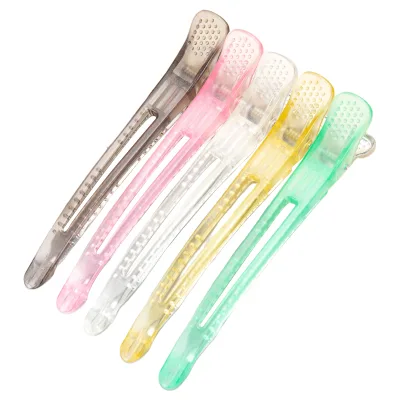
When sourcing hair clips with an emphasis on environmental friendliness, the primary focus must shift from marketing terminology to tangible material composition and manufacturing processes. Based on the available product data, the market offers distinct variations in material composition that directly influence the environmental profile of the final product. The most prevalent material observed in the current supply base is plastic, specifically noted for its "sturdy" characteristics designed for long-term use. This durability is a critical factor in sustainability, as a longer product lifespan reduces the frequency of replacement and subsequent waste generation. However, the supply chain also includes metal hairpins, which present a different set of environmental considerations regarding sourcing, recyclability, and end-of-life processing.
The distinction between plastic and metal is not merely aesthetic; it dictates the entire lifecycle assessment of the product. Plastic variants, such as those with models like LB50035 and LB55002T, are engineered for specific functional outcomes like creating high-crown hairstyles or securing thick and thin hair. These products are often packaged in stickers or backcards, which adds another layer of material consideration for the buyer. Conversely, metal hairpins, identified by models like AE659-1 and AE659-2, are categorized under specific types like "Hairpins" and are often associated with fashion styles. The weight of these items varies significantly, ranging from 3 grams to 45 grams depending on the model and material density. For instance, a specific plastic model weighs 17 grams, while another variant reaches 45 grams, and metal options can be as light as 5 grams or as heavy as 23 grams.
Buyers must scrutinize the specific plastic formulations used. While the data confirms the use of plastic, it does not explicitly state the resin type (e.g., ABS, PP, or recycled content). Therefore, the procurement strategy should prioritize suppliers who can provide transparency regarding the virgin versus recycled content of their plastic. The "sturdy" nature of the plastic suggests a focus on structural integrity, which is a positive attribute for reducing waste. However, without explicit certification data in the provided context, buyers cannot assume the plastic is biodegradable or compostable. The "environmentally friendly" claim in this context is best interpreted through the lens of durability and the potential for recycling, rather than biodegradability, unless specific supplier documentation confirms otherwise.
Technical Specifications and Dimensional Standards
Technical specifications serve as the backbone of any procurement agreement, ensuring that the product meets both functional requirements and logistical constraints. The product data reveals a wide array of dimensional standards, which must be carefully matched to the intended application. For plastic hair clips, standard dimensions include measurements such as 10.2x6x2 cm, 12x3.2x4.3 cm, and 10.7x3.6x4 cm. These variations suggest that the product line is segmented to accommodate different hair types and styling needs, from securing half-up styles to full-updos. The "Easy Operation" and "No Heat Required" characteristics indicate that these are mechanical fasteners, which aligns with energy-efficient usage patterns as they do not require electricity or heat to function.
Metal hairpins present a different set of dimensional challenges. The observed sizes include 1618.5 cm, 24 cm, 2.74 cm, and 4.23.6 cm. The significant variance in size, from small 2 cm pins to larger 16 cm items, implies a broad application range. Buyers must verify if the larger dimensions refer to the packaging size or the product itself, as this distinction impacts shipping costs and storage efficiency. The weight specifications further complicate the technical profile, with options ranging from 3 grams to 24 grams for metal variants and up to 45 grams for plastic ones. This weight variance affects the shipping weight per unit, which is a critical cost driver in international trade.
The packaging standards are equally important for environmental compliance. The data lists "Sticker," "Backcard," "OPP Bag," and "Customized" as packing methods. OPP (Oriented Polypropylene) bags are common but often single-use plastics. To align with environmental goals, buyers should prioritize suppliers who offer biodegradable packaging or minimalistic designs that reduce material usage. The "Sticker" and "Backcard" options for plastic clips may offer better recyclability depending on the paper or cardboard source used. The "Customized" packing option allows for flexibility, enabling buyers to specify eco-friendly materials such as recycled cardboard or soy-based inks for printing.
Cost Drivers and Economic Factors in Procurement
The economic landscape of sourcing hair clips is influenced by several key variables, including material costs, minimum order quantities (MOQ), and packaging complexity. The observed MOQ range in the market is substantial, spanning from 3 units to 3,000 units. This wide range indicates a flexible supply chain that can accommodate both small boutique orders and large-scale commercial procurement. Specific models show distinct MOQ requirements; for example, one model requires 100 sets, while another mandates 120 bags, and a third requires 300 pieces. These thresholds are critical for buyers to manage their inventory risk and cash flow.
Material costs are a primary driver of the final price. The transition from plastic to metal typically increases the unit cost due to the raw material value and the energy-intensive nature of metal processing. However, the data shows a price range of 0 to 3 USD, which suggests that even metal variants are priced competitively, likely due to economies of scale in manufacturing regions like Guangdong, China. The weight of the product also plays a role in shipping costs. Heavier items, such as the 45-gram plastic clip or the 23-gram metal pin, will incur higher freight charges compared to lighter 3-gram or 5-gram alternatives.
Packaging customization is another significant cost factor. While "Sticker" and "Backcard" packing are standard, "Customized" options involving private labels or specific eco-friendly materials will likely incur additional setup fees and higher per-unit costs. The "Logo Printing" attribute indicates that most standard products come "Without Logo Printing," but "Acceptable Private Label" options are available. Implementing a private label with eco-friendly inks and recycled substrates will add to the overall cost but can enhance the brand's environmental positioning. Buyers must balance the desire for customization with the budget constraints, ensuring that the added cost of sustainable packaging does not erode the profit margin.
Compliance, Certification, and Environmental Verification
In the realm of "environmentally friendly" products, compliance and certification are paramount, yet the provided data presents a nuanced picture. The background information mentions BSCI and FSC certifications as low-confidence background elements, meaning they should not be assumed as standard features of the listed products. BSCI (Business Social Compliance Initiative) focuses on social compliance and labor standards, while FSC (Forest Stewardship Council) pertains to sustainable forestry and paper products. For a product like a hair clip, FSC certification would be relevant only if the packaging is made from wood-based materials.
Buyers must treat these certifications as verification targets rather than given attributes. When evaluating suppliers, the procurement team should explicitly request documentation for any environmental claims. If a supplier claims their plastic is recycled, they must provide a chain-of-custody certificate or a third-party audit report. Similarly, if the packaging is marketed as eco-friendly, the buyer should verify the source of the paper or plastic used. The absence of explicit certification data in the product list means that the burden of proof lies with the buyer to conduct due diligence.
The "Location" attribute confirms that the products originate from China, specifically Guangdong. This region is a major manufacturing hub, but it also means that environmental regulations may vary. Buyers should inquire about the supplier's adherence to local environmental laws and any international standards they might voluntarily adopt. The "Payment" terms, such as PayPal or T/T, do not directly impact environmental compliance but are essential for securing the transaction. The "Servise" attribute, noting a response time of "Within 24 Hours," suggests a responsive supply chain, which is beneficial for resolving compliance queries quickly.
Supplier Evaluation and Quality Control Protocols
Selecting the right supplier requires a rigorous evaluation process that goes beyond price and MOQ. The data indicates that customization is available, which is a strong indicator of a supplier's flexibility and capability to meet specific environmental requirements. However, the presence of "Without Logo Printing" as a standard attribute suggests that many suppliers operate on a generic model. Buyers seeking environmentally friendly products must identify suppliers who are willing to deviate from the standard to accommodate sustainable practices.
Quality control is essential to ensure that the "sturdy" and "durable" claims are met in practice. The "Characteristics" attribute highlights "Sturdy Plastic for Long-Term Use" and "Easy Operation," which are key quality indicators. To verify these claims, buyers should request samples and conduct stress tests to ensure the clips do not break under normal usage conditions. A durable product reduces waste, which is a core tenet of environmental sustainability. For metal hairpins, the "Fashion" style and "Hairpins" type suggest a focus on aesthetics, but the structural integrity must also be maintained to prevent breakage and waste.
The "Qty/CTN" (Quantity per Carton) data provides insight into the supplier's packaging efficiency. For example, one model has 1000 pieces per carton, while another has only 100. Higher carton quantities can reduce packaging material per unit and improve shipping efficiency, but they may also increase the risk of damage during transit if the packaging is not robust. Buyers should evaluate the supplier's ability to protect the product during shipping without excessive use of plastic or foam. The "Package" attribute mentions "OPP Bag or Customized," indicating that the supplier can adapt to different packaging needs. A supplier who can provide a customized, eco-friendly package is a strong candidate for a sustainable procurement strategy.
Long-Term Procurement Considerations and Market Trends
Long-term procurement of environmentally friendly hair clips requires a strategic approach that anticipates market trends and regulatory changes. The "Suitable for" attributes, including "Travel," "Salon," and "Home," indicate a versatile product line that can adapt to various market segments. As consumer awareness of environmental issues grows, the demand for sustainable beauty accessories is likely to increase. Buyers should position their procurement strategy to capitalize on this trend by focusing on products that offer both functionality and environmental benefits.
The "Customization" attribute is a key enabler for long-term success. As brands strive to differentiate themselves, the ability to offer private labeling with eco-friendly packaging will become a competitive advantage. Buyers should work with suppliers who are willing to invest in sustainable packaging solutions, such as recycled cardboard or biodegradable plastics, even if it requires a higher initial investment. The "Logo Printing" and "Acceptable Private Label" options suggest that suppliers are open to collaboration, which is essential for building a long-term partnership.
Furthermore, the "Weight" and "Size" variations offer opportunities for product differentiation. Lighter products may appeal to travelers, while heavier, more durable products may suit salon professionals. Buyers should analyze the specific needs of their target market and select products that align with those needs while maintaining environmental standards. The "Standard" dimensions and "Model" numbers provide a framework for product identification, but buyers should also consider the potential for innovation in design and material usage.
In conclusion, sourcing environmentally friendly hair clips involves a careful balance of technical specifications, cost management, compliance verification, and supplier evaluation. By focusing on durable materials, efficient packaging, and transparent supply chains, buyers can build a sustainable procurement strategy that meets both business and environmental goals. The data provided offers a solid foundation for this process, but the ultimate success depends on the buyer's ability to verify claims and collaborate with suppliers who share a commitment to sustainability.
FAQs
What materials are used for environmental friendly hair clips?
The available products are primarily made of sturdy plastic or metal. Plastic variants are designed for long-term use to reduce waste, while metal options offer durability. Buyers should verify specific resin types or recycled content with suppliers to confirm environmental claims.
Which customization options are available for eco-friendly packaging?
Customized packing is available for these hair clips, including options like OPP bags or backcards. Buyers can request specific eco-friendly materials such as recycled cardboard or soy-based inks for private labeling, though standard items often come without logo printing.
How does the minimum order quantity vary for different models?
Minimum order quantities range from 3 to 3000 units depending on the specific product model. Some models require 100 sets, while others mandate 120 bags or 300 pieces. Buyers must check the specific MOQ for the desired model to manage inventory risk effectively.
Can these hair clips be used for travel and salon purposes?
Yes, the products are suitable for travel, salon, and home use. They are designed to securely hold thick or thin hair for various styles without requiring heat. This versatility makes them ideal for both professional stylists and individual consumers on the go.
What are the standard dimensions for the plastic hair clip models?
Standard dimensions vary by model, with sizes like 10.2x6x2 cm or 12x3.2x4.3 cm observed. These specifications ensure the clips fit different hair types and styling needs. Buyers should verify exact dimensions against their specific product requirements before placing an order.
Where are these hair clips manufactured and what are the shipping origins?
The products originate from China, specifically Guangdong. This region is a major manufacturing hub for hair accessories. Buyers should consider the location when calculating shipping costs and lead times, as freight charges depend on the weight and volume of the shipment.
Are there any certifications for the environmental claims of these products?
Explicit certifications like BSCI or FSC are not confirmed in the standard product data. Buyers must request third-party audit reports or chain-of-custody certificates to verify recycled content or sustainable forestry claims. Due diligence is required to validate any environmental assertions made by suppliers.